• Home
  • Products
  • Join Now!
  • Renew
  • About Us
  • Member Login

Coach-Net

~ Travel and Adventure Blog

Coach-Net

Tag Archives: Travel Tips

RV Connectivity | Cell Phones And WiFi

05 Wednesday Apr 2023

Posted by Coach-Net in RV Newbie, Tech Tips

≈ 1 Comment

Tags

RV Connectivity, RV Internet, RV travel, RV Wifi, Travel Tips

In the old days, our family would plan an RV vacation two or three times a year, one of them being a two-week trip of a lifetime. We rented a popup trailer and visited Gettysburg, Washington DC, Boston, and New York City for one of them and were in Washington DC the day President Nixon resigned. One year we traveled through Mt Rushmore, Yellowstone National Park, and Glacier National Park.

In those days, there really wasn’t any “connectivity” as we would have the post office hold our mail, go to the bank and get $1000 worth of Travelers Checks, and tell all our friends we were going to be gone for a couple of weeks.

We did not have cell phones, gaming devices, or 150 TV channels, just ABC, NBC, and CBS from an over-the-air TV antenna. So I guess you could say we were totally “analog”, meaning we found cities using a printed map from either individual states or an Atlas. Recently I asked my folks how we ever found campgrounds like the one in downtown New York City just past the Lincoln Tunnel. They said we would stop at the first rest stop in the state we were traveling to and get brochures from the “rack”! Today we are connected digitally in everything we do from video cameras at the front doorbell, to constant news updates on our phones.

What Is RV Connectivity And Why Do We Need It?

Connectivity or being connected means so many different things to different people. It’s like trying to identify the “average” RVer! We need to read and send emails to not only friends but for business and communication. More and more people are working remotely and need to access the information and operations they did from an office environment with either desktop computers or a mainframe or hub. We need to search for the answers to questions, get weather updates, find the best campfire recipe, or even figure out what to do for a snake bite! And we need to be able to call or receive calls while on the road.

 When you are in one basic geographical location such as your home, you typically know who has the best services in the areas of connectivity you need such as the best cell phone provider/signal and a handful of internet options. And you have the benefit of friends and neighbors that have tested these providers.

The challenge with RV Connectivity is finding the best providers for all these communications needs traveling in an RV. If you are just traveling in what I call the “comfort zone” relatively close to your residential area, you know what works best. If you are going to travel around the country it is much more challenging.

Cell Phone

There are several cell phone providers to choose from and they all advertise the best coverage in the country. One of the issues with cell phones and RVing is the coverage and strength of the signal when traveling around the country.

Check out www.signalchecker.com to check for a location with cell phone coverage in an area you plan to travel to.

Type in the zip code of the area you are planning to visit and you will get a listing of the coverage. This is a generic overview of the coverage in the area, for more specific details about your provider, there are links on this site to all the major providers.

We experienced cell phone issues in our trip shooting footage in Death Valley and there are some places where you just will not get a signal. However, at the Longstreet Inn and Casino in Armargosa Valley, we had 1 bar flickering on and off so it was very unreliable. We used the Weboost cell booster and the Drive Reach RV and it pulled a signal to about 2-3 bars for not only my US Cellular phone but a Verizon and Sprint! We chose the Drive Reach RV as it had a better signal reach than other models and was compact.

The Destination RV model has a telescoping pole if there are trees and other things that can block a signal and has an even farther reach, however, since we wanted to use it not only at the campground but also on the Jeeps, the Drive Reach RV was best for us.

Data Plans

A cell phone is used for more than just calling, it’s a mini-computer that can connect you to the internet and browse, get emails, and be a GPS navigator so you will need to identify how you are planning to use it to determine how much “data” you will need. I remember when my granddaughters first got their cell phones and started texting all their friends. Then they got the first bill and it was over $200 for the month! They were put on a specific amount of data and if they hit it before the new cycle, they could not use their phone!

Most providers now offer unlimited texting, but limited data. The difference is the amount of streaming or downloading from the internet in movies, music, and other data. Or uploading videos such as a podcast or other data. If you are just using email, browsing the web, or posting blogs, the small data plans are fine. However, if you want to stream HD videos, and movies, and upload videos to platforms like YouTube, you will need to get a much higher data plan. Keep in mind, this is only for your cell phone plan, you might be able to use a smaller data plan if you can use the campground WiFi.

What Is WiFi And How Is It Different Than The Internet?

The internet is basically the data stream or the language that is connected throughout the world by various “hard-line” methods such as fiber and others.

Wi-Fi is the term given for wireless technology that connects the internet or data to computers, cell phones, and other devices without needing a physical connection. So Wi-Fi and the internet are actually two separate things but work together. The internet is the data and Wi-Fi just broadcasts it wirelessly.

What Connections Are Available?

Most privately owned campgrounds today offer a WiFi service and it is typically free. Campgrounds in State or National Parks seldom offer WiFi. The challenge with campground-provided WiFi is the signal is not very strong beyond 100’ of the router in the main office. Some campgrounds have upgraded their system adding boosters and repeaters to strengthen the signal to sites outside the “sweet zone”.

You can also get a wireless signal at some rest stops along the interstate highways, truck stops like Flying J and Pilot, and even parking lots at fast food restaurants such as McDonald’s, Starbucks, Cracker Barrel, etc.

Campground WiFi is generally not very reliable and typically very slow as they do not get the most expensive package available. Plus, more people using one service slows most providers’ signals down.

There are products available that will boost the signal from the original source called boosters, extenders, and repeaters which basically do the same thing. They work well in a residential setting where only one person is using it however they actually diminish the signal in a campground where multiple people are trying to boost at the same time.

If the internet is important to your connectivity or you need to uplink video podcasts or other data-rich features, you will not want to rely on the campground or other free locations. There are other options available.

Hot Spots

In addition to the signal for the cell phone, you will also want connectivity for laptops and the television. For that, you would want what is called a hot spot device. Some cell phone providers have a hot spot mode designed into the cell phone rather than getting a separate device and plan. The downside of using the hot spot mode of your cell phone is it will run the battery down quickly, use data faster, and is typically slower.

Because of these issues, several cellular providers also offer a standalone hotspot device however, there are others available. We have tested several and I really like the TravlFi model as it uses the strongest signal from all the major providers so I’m not limited to one that might not have a strong signal in a specific area. They have several data plans so if you just need to check emails and do a little browsing, you don’t need an expensive plan. And there is no contract, you can purchase monthly as you need it. Here is a shot of me using it in Rocky Mountain National Park in Colorado. Learn more about the product and plans at; www.travlfi.com

TravlFi just introduced the Journey XTR which is a 4G Router and booster. It is not as portable but has a better range and also uses the major cell providers. You can get a signal and then hard wire a tower or other device if needed.

Other options include roof-mounted antennas that also use a G4 cell signal such as the Winegard Connect or the Air 360+ which is a combination of an over-the-air antenna with the addition of a Gateway inside the rig for reception. The Gateway mounts inside the unit on the ceiling.

Be watching for Part 2 where we will talk about connectivity as it pertains to over-the-air TV signals, streaming, and satellite options.


About the author: Dave Solberg: Managing Editor, RV Repair Club

For the last 25 years, Dave has conducted RV maintenance and safety seminars, developed dealer and owner training programs, written RV safety and handyman articles authored an RV handbook reference guide and logged over 100,000 miles on the road in an RV.

RV Repair Club

RV Repair Club is your go-to online resource for enthusiasts who want quality RV maintenance, repair, and upgrade information – a community where passionate RVers can come together to gather knowledge and share their experiences.

Learn more about RV Repair Club.


Charles P. ~ “Coach-Net came highly recommended and lived up to expectations with EXCEPTIONAL SERVICE and SUPPORT.”

Share this with your friends:

  • Share on Facebook (Opens in new window) Facebook
  • Share on X (Opens in new window) X
  • Share on Pinterest (Opens in new window) Pinterest
  • Print (Opens in new window) Print
  • Email a link to a friend (Opens in new window) Email
  • More
  • Share on Reddit (Opens in new window) Reddit
  • Share on Tumblr (Opens in new window) Tumblr

Like this:

Like Loading…

5 Desert Southwest National Parks You MUST Visit

16 Monday Jan 2023

Posted by Coach-Net in The Great Outdoors, Travel Destinations

≈ Leave a comment

Tags

RV Camping, RV travel, Travel Destination, Travel Tips

Winter is here, and that means RVers need to A) stay south to keep warm, B) find ways to keep their RVs cozy and safe through the winter weather, or C) winterize their rigs for the season. Our family always chooses to stay south in order to keep enjoying traveling in our RV, and this year we decided to try out the beginning of the cold season in the Desert Southwest.

Generally, we head to Florida for the cold season, so our time spent in the desert during the winter this time around has been a huge change of pace. That said, we’re having an absolute blast and we 100% recommend it to anyone. Some of our favorite things that we’ve seen so far have been the awesome national parks in the area.

Below are the parks we’ve visited (and plan to visit), as well as what we loved about each.

Carlsbad Caverns National Park

The first step on our winter trek to the west was Carlsbad Caverns National Park. This place was incredible, and since you are in a cave—where the temperature doesn’t really change much anyway—you can totally visit the park on a cold day, making it a great option if a cold front comes through.

Since we were visiting with an antsy 3-year-old, we chose to take the self-guided tour of the “Big Room.” That said, there are also ranger-guided tours that sound totally awesome. We did have to make a reservation beforehand—yes, even for the self-guided tour—so be sure you do that.

In addition to the amazing cave, this park is also home to some beautiful hiking trails and a great visitor center with tons of displays and information. Make sure you schedule enough time to explore those.

Note: We missed this since we visited during the winter, but if you happen to visit between late May and October, you’ll also want to experience the Bat Flight Program. I hear it’s phenomenal!

Where to Stay

For this part of our trip, we chose to stay on the BLM land right outside of the park. There are also two free established dry campgrounds right by the park. Look for Sunset Reef Campground or Chosa Primitive Campground to find this free camping.

Guadalupe Mountains National Park

Located not too far from Carlsbad Caverns National Park, Guadalupe Mountains National Park was also well worth visiting. This is an absolutely beautiful mountainous park that is a hiker’s dream come true.

Unfortunately, we are limited when it comes to the kinds of hikes we can take because we have the aforementioned 3-year-old in tow, but we thoroughly enjoyed the mile-long McKittrick Canyon Nature Loop Trail, which gave us some great views and allowed us to get up close and personal with the local flora.

We also spent some time in both the Pine Springs and McKittrick Canyon Visitor Centers. We enjoyed the exhibits in the Pine Springs Location as well as the short video at the McKittrick Canyon center.

Where to Stay

We didn’t move our RV to visit Guadalupe Mountains, National Park. You could absolutely visit this park from either of the free dry campgrounds mentioned above.

White Sands National Park

Our next stop was Alamogordo, NM, where we visited White Sands, National Park. We first stopped at Walmart to pick up some cheap sand sleds (which they stock year-round) then made a trip to the visitor center to buy sled wax from the gift shop and watch the park video. The kids also really enjoyed the exhibits in this visitor center and we spent some time checking those out.

We didn’t hike while in White Sands. Instead, we headed to the Interdune Boardwalk, chose a place we thought looked nice, and hopped off the trail to do some sand sledding. This was so much fun! The sand was cool to the touch and it was so fine and soft that it made it possible to sled quite fast.

We had a blast sledding the dunes and admiring the beauty of the bright white sand against the bright blue desert sky. We all agreed this was a new favorite park and that we would definitely return to explore more.

Where to Stay

We wanted a break from boondocking, so we stayed at Oliver Lee Memorial State Park. The price was right (I think we paid less than $20 a night), we had water and electric hookups, the dump station was clean (albeit with limited hours, so don’t expect to dump as you come in after sunset), and the bathhouses were great.

We wouldn’t hesitate to stay at this state park again, but there was also boondocking available right outside of the park if you prefer a free option.

Saguaro National Park

Next up was Saguaro National Park. This was an absolutely stunning place, and seeing the saguaro cacti in person was just incredible. We went to both the Rincon Mountain and Red Hills visitor centers and enjoyed them both. Each one has a nice video as well as exhibits about the park.

The view from the Red Hills location is spectacular, but we also adored the cactus garden at the Rincon Mountain center. We recommend checking out both locations if you can, but if you have to choose just one, go to the Rincon Mountain Center.

Why do we recommend the Rincon Mountain Center? Because of the amazing drive, we took from that location. This visitor center is home to the Cactus Forest Loop Drive. We did the loop, stopping for short hikes and photos along the way, and absolutely loved it. Definitely a highlight of the trip!

Where to Stay

We ended up boondocking again for this part of our trip. We stayed at the Snyder Hill BLM and it was fine, but not great. The “roads” to find a campsite was really just paths and were very rough. Besides that, it was the most crowded boondocking spot we’ve ever stayed in.

Would we stay there again? Probably for a few days to visit Tucson again, but not for long. If we were staying for more than a few nights, we’d try out The RV Park at Pima County Fairgrounds, which is supposed to be decent.

Joshua Tree National Park

Last on my list is Joshua Tree National Park. To be honest, we haven’t made it to this park yet this year, but we’ve been before. Our last visit was several years ago, but I remember loving this park and can’t wait to see it again.

One of the things I remember loving most about this park was that it is a dark sky park. This means that if you go out after dark, you are treated to some of the most beautiful night skies you will ever see. We will absolutely be doing this again.

Where to Stay

Our current plan is to stay at Palm Springs RV Resort which is part of our Thousand Trails membership. That said, we happen to know that there is plenty of good boondocking just outside of the park, so if you’re looking for free options, you might want to start there.


About the author: Chelsea Gonzales

Chelsea has the amazing opportunity to take part in full-time RV living and traveling with her tiny tribe. She homeschools her five-year-old son as they travel, and takes full advantage of their unique situation by using the entire world as her son’s classroom. A group of total Disney fanatics, Chelsea and her family often find themselves in the Orlando area in order to visit the Disney parks, but they have also visited over 25 of the 50 states with plans to see many more along the way. No matter where her travels take her, Chelsea enjoys riding bikes, gazing at beautiful sunsets, finding new coffee shops, Irish dancing, and sitting around a campfire with her family.

You can join her adventures through her blog, Wonder Wherever We Wander.

Marshal H. ~ “Best service ever! From the first call to your follow-up calls, it could not have been a better experience. I posted my review on the Tiffin Motorhome Forum and received over 100 responses! Thank You!”

Share this with your friends:

  • Share on Facebook (Opens in new window) Facebook
  • Share on X (Opens in new window) X
  • Share on Pinterest (Opens in new window) Pinterest
  • Print (Opens in new window) Print
  • Email a link to a friend (Opens in new window) Email
  • More
  • Share on Reddit (Opens in new window) Reddit
  • Share on Tumblr (Opens in new window) Tumblr

Like this:

Like Loading…

Cool RV Tools Every Camper Should Have!

02 Wednesday Nov 2022

Posted by Coach-Net in Tech Tips

≈ 2 Comments

Tags

RV Camping, RV gadgets, RV Safety, RV tech tip, RV Tips, rv tools, RV Tools RV Gadgets, tech tip, Travel Tips

Everyone has their favorite tools they bring along on an RV trip depending on your level of mechanical and DIY abilities. There have been numerous articles about the basics such as screwdrivers and pliers. Over the past 40 years of RVing and a few more before that working and owning a service station, I have gathered a few more that are pretty unique.

Several years ago I was conducting seminars at the California RV Show and pulled out a couple of meters and gauges that I used in one of the handyman series for testing and after the seminar, a few of the Winnebago Itasca Travelers (WIT) Club members came up and said; “I bet you have developed quite a unique set of tools and gadgets over the years?” And they were right, so I developed one of my most popular seminars called “Cool RV Tools, Gadgets, and must-have Apps”. I will share a few of the more unique ones with you in this article.

Electrical Tools

GFCI Tester

Before plugging into a campground electrical source, it’s important to make sure it has proper voltage and is wired correctly. Whether you are plugging into 20 amp, 30 amp, or 50 amp service, it is important to verify the load wire/wires, neutral, and ground are all connected and not loose. Using a Surge Protector is a great option, however, I found this GFCI tester at Home Depot that not only tells me the wiring is good but also shows the voltage. You do not want to plug into anything that is below 106 volts or above 130 volts. Even if you use a multimeter or Surge Protector, this is a handy device to plug into an inside outlet for a quick reference of voltage and wiring.

Non-Contact Voltage Tester

This handy device will immediately tell you if there is power coming through an extension cord, appliance plug-in, or at an outlet without needing to dig deep into the outlet. If you get the type with a sensitivity dial, you can also test the outside of your rig for hot skin which is a voltage leak due to improper or loose wiring. These are available at home improvement and hardware stores.

Kill A Watt

Most people understand the basics of what they can run on 20 amp, 30 amp, and 50 amp service such as only one roof air conditioner on 30 amps, either the air conditioner or the microwave but not both on 30 amps, and other common items found on your rig. But what power does a toaster draw? How about an air fryer, or hair dryer? It’s important to know what extra items you bring using power especially if you are using 20 or 30-amp power. The Kill A Watt is a handy device that plugs into an outlet and that you plug into an appliance such as an espresso machine, curling iron, or ceramic heater. It will tell you the Watts or Amp so you can better manage your energy usage.

Electrical Cord Holders

Several years ago I was following a friend that was an electrician and saw he had several extension cords and other items hanging on the cage in the back of his pickup. I caught up with him and found he had gotten an old tire inner tube from the local tire shop, cut a 2” band out of the middle, and wrapped it around the cords. He then put in hooks and had everything organized with a handy carrying loop.

I took this idea and have used it in RVs, for video production, and here is a photo of the electrical compartment we just organized for a friend with a Thor this summer. Everything is up off the floor and more room for “STUFF!”

Fresh Water Systems

Intellitec Digital Water Purity Tester

Campgrounds are required to have their water tested and certified once a year however, bacteria, arsenic, and other contaminants can be present between the tests. I found this device that can do a very quick test for impurities. It measures in parts per million (PPM) which means it does not identify what impurities rather there is something in the water that affects continuity between the probes and the higher the PPM, the more impurities. Today I can only find this on Amazon.

Filtermate Test Kit

Even if the water supply passes the average test, does not mean it is the best water source for your pets, children, or your rig’s water supply. Most campground water sources will be hard water which means there is calcium, lime, and rust that could clog up pipes, filters, and faucets. There are several test kits that will determine the hardness of the water, PH, and other chemicals that might be an issue at the campground. I find these mostly at home improvement stores. These kits can help determine if you need a water filter, and what kind.

Water Pressure Tester

Most campgrounds will have a well-type water system with a pump rather than a regulated municipal type. That means you could get low pressure or even worse, high pressure that your water lines and connections can not handle. Most RVs today have ½” plastic lines such as PEX with either a crimped-on ring at the connections or a compression-type fitting. Most can handle at least 40 psi or some up to 60 psi which is the water pressure coming into the rig. It’s important to test the water pressure before hooking up and to know what your rig can handle! My folks went to visit my brother and hooked up the city water hose to the outside faucet at his house and later that afternoon had a soaked floor. The connections could not handle the pressure and water just slowly seeped out.

Screw this onto the water supply at the campground or house to test the pressure. Or you can use the next tool!

Water Pressure Regulator/Filter

This is not actually a tool but rather an accessory but I include it as the type I like to use is not so common. Most RVers like to use an inline filter such as Camco or Shurflo which you sell all over the campground. I like to use a residential style on such as this Omni version that you often see under the sink in homes. This type of filter has a replaceable cartridge insert that can also be customized for the type of filtering you need. I can replace the cartridge for over half the cost of the all-in-one inline filter.

Notice the 40 psi reducer attached to the faucet as this old-style farm handle would give me 80 psi! Plus this is one of the few accordion-type hoses that is drinking water safe!

Winterizing Hose

I like to use compressed air to blow all the water out of the system rather than put in gallons and gallons of pink RV antifreeze. Usually, I do this by myself and there has not been a good method to connect the air hose of my compressor to the screw-in air valve to the city water fill. So I built my own using the male end of an old water hose that connects to the city water fill and added an air chuck with a worm clamp. This way I can connect this to the city water fill, turn the compressor down to 40 psi, connect the hose with the quick connect, and open all the faucets and other devices by myself.

Liquid Propane (LP)

LP Leak Detector

By RVIA code, all RVs come with an LP Leak Detector installed which has a sensor that will provide an audible beep if it detects LP in the air. This is usually located under a kitchen cabinet or other lower cabinet location as LP is heavier than air and will settle.

There are several areas that could have a slight LP leak that would not be detected by this unit such as at the DOT cylinders on trailers or ASME tank on a motorhome. All LP appliances have an LP hose and connection which could also leak and might not be detected by the device in locations like the back of the refrigerator, outside grill, outside kitchen, and the furnace. That is why I like to periodically check the connections with my own portable LP Leak Detector which I found on Amazon for $20.

This is a much more accurate and pinpoint device that allows you to test lines and connections that the floor-mounted device might not detect.

Gas Stop

Gas Stop is a device that will instantly and automatically shut off the LP delivery system in the event of a major leak such as a ruptured line or other failures. Even though all RV LP fuel supply containers have a spring-loaded excess flow valve, there is still a slight chance of malfunction of the valve and it can get stuck in bypass and appliances will not work. This device will also show you the level of LP in the container and can sense a very slight leak in the system.

Stay tuned, next month we will show a refrigerator vent blowout tool as well as a “comb” to straighten the evaporator coils. And then one of my favorites, the “Magnetizer”!


About the author: Dave Solberg: Managing Editor, RV Repair Club

For the last 25 years, Dave has conducted RV maintenance and safety seminars, developed dealer and owner training programs, written RV safety and handyman articles authored an RV handbook reference guide, and logged over 100,000 miles on the road in an RV.

RV Repair Club

RV Repair Club is your go-to online resource for enthusiasts who want quality RV maintenance, repair, and upgrade information – a community where passionate RVers can come together to gather knowledge and share their experiences.

Learn more about RV Repair Club.


Swain W. ~ “Service was excellent and follow-up was fantastic. It means a lot to be taken care of when you are down. Very happy with everyone’s performance I would not have known what to do or who to call if I had not had Coach-Net. You all were excellent.” 

Share this with your friends:

  • Share on Facebook (Opens in new window) Facebook
  • Share on X (Opens in new window) X
  • Share on Pinterest (Opens in new window) Pinterest
  • Print (Opens in new window) Print
  • Email a link to a friend (Opens in new window) Email
  • More
  • Share on Reddit (Opens in new window) Reddit
  • Share on Tumblr (Opens in new window) Tumblr

Like this:

Like Loading…

Improving Your RVs Fuel Efficiency

05 Wednesday Oct 2022

Posted by Coach-Net in RV Information, Tips & Tricks

≈ 2 Comments

Tags

RV Fuel Economy, RV MPG, RV tech tip, RV Tips, RV travel, Travel Tips


Whether you are driving a truck pulling a trailer or a motorhome with a “toad”, there are some things you can do to improve your fuel efficiency or miles per gallon (mpg). Small items we typically take for granted such as tires, maintenance, and driving characteristics can all make a difference.

Proper Tire Pressure

The pounds per square inch (psi) stamped on the side of your tire is maximum psi at its maximum weight which is not necessarily the proper tire pressure. Proper tire inflation can only be factored in by weighing the coach to determine what the actual weight is on the tires. Most large motorhomes’ 5th wheels have a cargo carrying capacity (CCC) of several thousand pounds and may not be even close to the maximum weight rating or Gross Vehicle Weight Rating (GVWR). The only way to verify proper tire inflation is to weigh the rig by individual wheel position and go to the tire inflation chart for your brand of tire. These can be found at www.rvsafety.com.

The Recreational Vehicle Safety And Education Foundation (RVSEF) has been weighing coaches for almost 30 years and recently recommended that smaller trailers should use the psi listed on the tire as they are relatively close to GVWR. Proper tire inflation provides the appropriate amount of tread on the road.

For example, the new Faulken tires on my 2016 Silverado read 51 psi at a maximum load of 2,601 lbs. The tire sticker inside the door shows 35 psi. The tire dealer recommended 42 psi and on a recent trip to Colorado, the truck bounced and banged all the way through Nebraska! I adjusted the pressure down to 34 psi and what a difference.

Overinflation will not reduce mpg however underinflation will as it causes additional resistance of the tread to the road surface. According to RVSEF over 50% of RVs they have weighed have underinflated tires. Their weighing teams have been conducting individual wheel position weighing at Rallies, dealerships, and special events for over 30 years. Underinflated tires not only cause premature tread wear and the potential for blown tires, but the resistance will also affect fuel economy.

Gross Vehicle Weight Rating

The Gross Vehicle Weight Rating (GVWR) is the maximum your rig can weigh with all the cargo, water, and LP. With motorized RVs, the GVWR also includes the people inside the rig as you will be in it while driving. The more weight you are driving down the road, the harder the engine has to work which means lower fuel efficiency.

I have driven several units on a gas rig and did notice a difference when towing a car or having the unit full of cargo and people. On trips to Colorado, a 36-foot motorhome with very little cargo and only two people got 8-9 mpg and one that was loaded got around 6-7 mpg! This is something that you will need to try with your rig and the power of your engine. A gas engine towing the same weight will get substantially less mpg than a diesel however the diesel fuel will typically cost more.

Proper Maintenance

Although this may not seem like something that would affect fuel efficiency, not doing regular maintenance can lead to dirty filters that restrict airflow causing the engine works harder than normal. Make sure all engine filters have been changed to specifications and fluids are up to date as well. This also means checking the axles and wheels on trailers and getting the bearings repacked as recommended. Most trucks today have sealed bearings in a complete hub and can not be lubricated however, your trailer bearings typically can. Make sure you do annual maintenance on the trailer bearings and brakes. Most axle manufacturers recommend repacking and inspecting the bearings once a year or every 15,000 miles.

Another factor that can impact your mpg is the brake drum and tire. When I owned a trucking company, I would have my drivers use an infrared laser thermometer to record temperatures of the hub, brake drum, and tire every time they stopped for fuel. Extremely hot temperatures were an indicator of bearings getting dry or brakes set to high which could cause a failure, but we also noticed it affected fuel economy as well.

Driving Characteristics

Keep in mind you are basically driving a “Billboard” down the road and winds, especially strong headwinds will affect your fuel economy. Try to avoid wind if possible, some RVers pull over and relax during windy conditions and wait for a more enjoyable driving experience.

Several highway studies have shown that driving between 55-65 mph will provide the best fuel economy and also staying at a consistent speed helps as well. How and when you drive can also affect fuel economy. The more traffic you find means the more fluctuation of speeds you will encounter and affect fuel economy as well. If possible, plan your trips for times with less traffic or reroute to avoid high traffic such as big city driving or mountains.

Fuel

My truck is designed for “FlexFuel” so I can choose to run Premium, Super Unleaded, or E85. I typically run Super Unleaded at 87 Octane and tried Premium during one of my trips and did not see any difference in fuel economy.

However, when Super Unleaded hit the $4.79 mark one of our local fuel stations had E85 for $2.99 so I tried a couple of tanks and my fuel economy dropped by 4-5 mpg! Saving $1.80 per gallon did still make financial sense, but now that Super Unleaded is down to $3.49 and E85 went up to $3.29 it doesn’t make sense. I have also tried Seafoam as well as several other fuel saver products and did not see any difference.


About the author: Dave Solberg: Managing Editor, RV Repair Club

For the last 25 years, Dave has conducted RV maintenance and safety seminars, developed dealer and owner training programs, written RV safety and handyman articles authored an RV handbook reference guide, and logged over 100,000 miles on the road in an RV.

RV Repair Club

RV Repair Club is your go-to online resource for enthusiasts who want quality RV maintenance, repair, and upgrade information – a community where passionate RVers can come together to gather knowledge and share their experiences.

Learn more about RV Repair Club.


Robert L. ~ “This is an outstanding service you provide. Anyone who has an RV should take advantage of it. You took a very stressful situation off my hands and I had complete confidence in the outcome. Thank you very much.” 

Share this with your friends:

  • Share on Facebook (Opens in new window) Facebook
  • Share on X (Opens in new window) X
  • Share on Pinterest (Opens in new window) Pinterest
  • Print (Opens in new window) Print
  • Email a link to a friend (Opens in new window) Email
  • More
  • Share on Reddit (Opens in new window) Reddit
  • Share on Tumblr (Opens in new window) Tumblr

Like this:

Like Loading…

Diesel Exhaust Fluid (DEF) – Is My DEF Expired?

07 Wednesday Sep 2022

Posted by Coach-Net in Tech Tips, Tips & Tricks

≈ Leave a comment

Tags

Class A RVs, DEF, Diesel Exhaust Fluid, Diesel Pusher, RV Camping, RV Engine Maintenance, RV Tips, RV travel, Travel Tips

Before we start, here’s a quick review of Deisel Exhaust Fluid. DEF is designed to treat exhaust coming through the exhaust chamber to meet emissions that were implemented in 2010. Basically, the government issued mandates for lower emissions from diesel engines. DEF uses a mixture of Urea (32.5%) and water (67.5%) sprayed on the exhaust fumes which reduces the NOx to nitrogen and water in order to meet the recommended levels. Since my last article on DEF for Coach-Net was published we have been getting numerous questions regarding DEF and its shelf life, how we know if it’s contaminated, and how to get rid of it.

Is There A Shelf Life For DEF?

I talked with a representative from Blue Sky that stated their DEF has a general one-year shelf life. They went on to state that the Urea will degrade if exposed to direct sunlight or stored in temperatures above 90 degrees. The actual amount of degradation can not be determined unless you purchase a DEF tester.

The representative went on to clarify that if the DEF is stored between temperatures of 10 degrees to 90 degrees it has a one-year shelf life BUT if it is kept out of sunlight and under 75 degrees, it can be used for up to two years, however, it’s best not to use it if it’s over 3 years old.

I have run a company for the past 10 years that had 3 diesel trucks pulling trailers that put over 100,000 miles on each vehicle every year, therefore we have had lots of experience and education regarding DEF. In face, we received a service notice from Ford Motor Company on DEF Shelf Life vs Temperature which listed the following:

Constant Ambient Storage Temperature / Shelf Life In Months

  • ≤ 50 °F degrees – 36 months
  • < 77 °F degrees – 18 months
  • ≤ 86 °F degrees – 12 months
  • ≤ 95 °F degrees – 6 months
  • < 104 °F degrees – 2 months

Interpreting DEF Codes

How do you know when your DEF was produced in order to determine its shelf life? Off-the-shelf products such as the 2.5-gallon versions have a code on the box that includes a date stamp. However, these codes can be difficult to decipher.

I talked with Peak Technical Product Support and he said there are many different codes used on their product due to the bottling and packaging at different plants all over the country. He dissected this one for me as follows:

23/169 /CP7/ 00591/ 0125

  • 23 is a year minus 1 year=2022
  • 169 is how many days are left in the year 2022=July 15, 2022
  • Cp7 is the bottling plant
  • 00591 is tank number
  • 0125 is the batch number

He also stated that they have a two-year shelf life recommendation however it was best to purchase a digital refractometer to be sure what you are putting in your tank has not expired. If you have any doubts as to the date code recommend, call their tech support number and a technician will help dissect the code for you. He also stated that both Walmart and Home Depot are the largest distributors and would have the newest product.

DEF Life At The Pump

Ok, but what about the DEF that is pumped at a larger fueling station from an underground tank and does not have anything printed? The easiest way to tell if the DEF has expired or been contaminated is by looking at it. When DEF is in good shape, it should look clear and free of any contaminants or discoloration. If it is cloudy, discolored, or difficult to see through, it is likely expired.

I spoke with a technician at Cummins and they stated that The NOx sensors monitor the DEF quality and will provide an indication when DEF is not in compliance which is the check engine light.

So what happens if you do have a full tank of DEF and the dreaded “Check Engine” light shows? There are service centers that will drain the tank for you however it can be expensive. Alternatively, you can do it yourself with a mechanical pump or even a hand pump depending on how much you have in the tank. If you have a truck the DEF tank will only be about 3-4 gallons which can be pumped out with a hand pump and put in an empty DEF container or gallon jugs.

According to Daimler Worldwide and specifically the Freightliner Custom Chassis Corporation (FCCC):

DEF life will vary based on temp and direct sunlight, so having the tank in a compartment like it is on RVs is much better than on a vehicle where the tank is exposed to direct sunlight. FCCC has not seen a large number of people having an issue with DEF quality, but I would recommend always leaving some room in the tank so that if you do get an indicator you can still put some fresh DEF in the tank and help revive the DEF quality. In some cases service centers have had to force air into the tank with a hose and then have a second hose to allow it to drain, but that’s certainly not the norm.

What Do You Do If You Have Expired DEF In Your Tank?

So if the shelf life is one year, what should we do about units that have DEF sitting in the tank for longer than that? I’ve talked with several owners who stored their rig during the pandemic and their DEF could be 2-3 years old! As FCCC indicated, try to leave the tank less than ½ full as you can strengthen or rejuvenate degraded DEF with the addition of new DEF!

Being from the Midwest, I contacted the local farm equipment dealer as well as PetroBlend, one of the largest distributors of DEF in the agricultural industry. They stated the very same thing that proper DEF management is the key, as sometimes combines will not go through their 30-gallon tank for a couple of years.

Where Can You Properly Dispose Of Bad DEF?

The internet is flooded with DEF information with some stating it is the same chemical composition as fertilizer so you can dump it just about anywhere. While DEF is non toxic, it should be disposed of in an environmentally friendly way. Do not pour bad DEF down the drain or dump it on the side of the road. It’s recommended to contact your local environmental waste disposal company for a nearby disposal site. I also called the local landfill as they have a hazardous materials division and they will take it at no cost as it is considered residential and falls under fertilizer or engine fluids. Anything over 10 gallons is considered commercial and assessed per gallon.


About the author: Dave Solberg: Managing Editor, RV Repair Club

For the last 25 years, Dave has conducted RV maintenance and safety seminars, developed dealer and owner training programs, written RV safety and handyman articles authored an RV handbook reference guide, and logged over 100,000 miles on the road in an RV.

RV Repair Club

RV Repair Club is your go-to online resource for enthusiasts who want quality RV maintenance, repair, and upgrade information – a community where passionate RVers can come together to gather knowledge and share their experiences.

Learn more about RV Repair Club.


Sean S. ~ “If you’re on the fence about this, jump on over. Coach-Net paid for itself for us with a freak accident within the first 24 hours of signing up. You never know when something could go wrong and you’ll be wishing you had gotten this coverage.” 

Share this with your friends:

  • Share on Facebook (Opens in new window) Facebook
  • Share on X (Opens in new window) X
  • Share on Pinterest (Opens in new window) Pinterest
  • Print (Opens in new window) Print
  • Email a link to a friend (Opens in new window) Email
  • More
  • Share on Reddit (Opens in new window) Reddit
  • Share on Tumblr (Opens in new window) Tumblr

Like this:

Like Loading…

5 Reasons to Travel in an RV Instead of A Car

11 Thursday Aug 2022

Posted by Coach-Net in Traveling with your Pet, Uncategorized

≈ 2 Comments

Tags

RV Camping, RV Camping VS Hotels, RV Destinations, RV Life, RV Safety, RV Tips, RV travel, Should I Buy An RV?, Travel Tips

RVs are a great way to travel. They take you off the beaten path and into nature. There are many types of RVs to choose from, ranging from Class A motor homes to Class C motor homes and even pop-up campers. The choice is yours based on your needs and your budget.

These vehicles have skyrocketed in popularity in recent years, and some people are even converting their RVs into permanent homes. No wonder! It’s a great way to lower overhead and enjoy living and traveling without sacrificing comfort or style. There are a variety of reasons why people choose to travel in recreational vehicles. Here are some reasons you might want to as well.

RVs Bring More Comfort

There’s no comparison between the comfort of a car and that of a recreational vehicle. With an RV, you often have access to a bathroom and kitchen too, so you don’t have to deal with the discomforts of “holding it” until you can find a bathroom or waiting until you can find a restaurant to eat in. You can cook a meal on the road and enjoy it in comfort.

When you travel the country in an RV, you explore the countryside in comfort and style, without having to put up with the hassles of a traditional hotel stay (or worse, having to sleep in your car). Your lodging travels with you and it’s easy to access.

RVs Can Be a Cheaper Way to Travel

Recreational vehicles are often cheaper to run than rental cars or public transportation, especially if you camp instead of using paid overnight sites. Some large box stores, like Walmart, welcome recreational vehicles overnight too. Needless to say, that’s cheaper than staying in a hotel. The conveniences of home can be brought along without worrying about paying for lodgings. If you have an RV or camper van, then you’re probably already aware of some of the great benefits that bring. Your lodging travels with you.

RVs Have More Storage Space

If you like to bring the house with you when you travel, an RV is the obvious choice. The spacious interior allows you to set up your house inside for maximal comfort and convenience when you travel. The first and foremost benefit is that you will have more space and storage required to accommodate your personal items. This will give you the freedom to carry along your favorite things while traveling.

You Can Bring Your Pets Comfortably

One of the worst aspects of traveling in a car is how hard it makes it to bring your pets along, but it’s easier in a recreational vehicle with the extra room. Although there are a few guidelines you need to follow when traveling with pets in an RV, the benefits are well worth the extra effort. Not only will your pet have a wonderful time riding with you, but you also get to enjoy his/her company in a different way than you usual. Don’t leave Fido behind!

A RV Can Be Your Office on Wheels

RVs have long been an affordable and fun way to travel the open road. And now, thanks to technology and the entrepreneurial spirit, you can get an office on wheels to stay productive no matter where ever you roam. If you’re using your recreational vehicle as an office, you may also be able to write off a portion of it to save on taxes. Many people dream of having an office in their RV so they can travel all over the country while accomplishing their work goals. It’s more achievable than ever!

The Bottom Line

Traveling in an RV is an experience unlike any other. From the amount of freedom that comes from traveling wherever, whenever, to the amenities and comforts of home, a recreational vehicle can make your travels easier, cheaper, and more comfortable. RVs are anything but just a vehicle to get from one place to another. They are, in fact, a home away from home for those who love to travel in comfort. Take advantage of it by planning an excursion of your own, RV-style!


Douglas M. ~ “The concern displayed by the call agent was awesome. The response was fast by the service provider and was terrific. Thanks so very much for this fantastic coverage!” 

Share this with your friends:

  • Share on Facebook (Opens in new window) Facebook
  • Share on X (Opens in new window) X
  • Share on Pinterest (Opens in new window) Pinterest
  • Print (Opens in new window) Print
  • Email a link to a friend (Opens in new window) Email
  • More
  • Share on Reddit (Opens in new window) Reddit
  • Share on Tumblr (Opens in new window) Tumblr

Like this:

Like Loading…

Unexpected Items to Put on Your Van-Life Packing List

22 Wednesday Jun 2022

Posted by Coach-Net in The Great Outdoors, Tips & Tricks

≈ 1 Comment

Tags

packing, RV Camping, RV Items, RV Life, RV Packing, RV travel, Travel Tips, Van Life

If you are planning a road trip vacation or looking to become a full-time van-lifer, there has never been a better time. There are a lot of adventurers taking the leap and hitting the road thanks to that little life-changing pandemic going around. COVID-19 has thrown a wrench in a lot of folk’s plans, so whether you are changing your summer vacation accordingly or finding yourself unemployed with the sudden opportunity to change course, you will be in good company. 

Pulling it all together requires a masterpiece in the art of planning because nobody wants to be 100 miles from the next town (without cell service, of course) just to realize they forgot something major. As you plan, you are going to find plenty of helpful packing lists to walk you through the basics, but here are the extras they forgot to mention. 

Extra Blankets

Elevation: call it earth’s original thermostat. You can spend your day driving through a 110º valley and with just a couple thousand miles straight up, you will be looking for your heaviest socks. This is where the extra blankets will come in handy. As you travel through any of the mountainous states, you will be delighted to have the extra covers when you snuggle into bed for the night. 

They will also save your upholstery, which is especially important if you’re renting or planning to sell your camper at the end of your trip. Tuck your blankets around couches or chairs like a makeshift seat cover. It’s an easy way to sneak in a couple of extra blankets without using up precious storage space, and it also makes cleaning up any crumbs or spills easy. You can toss a blanket in a standard washer and dryer and it’s clean in an hour. Alternatively, trying to remove a stain from the original upholstery can quickly turn into a day of tentatively blotting and asking the universe for a miracle. 

Camping Laundry Line 

It’s a small convenience, but for under $10, it can make your camping life just a little easier. There’s the obvious use — you might need it to dry your clothes — but it’s also great for airing out towels, rugs, and the aforementioned blankets between washes. 

Drink Koozies

Can’t beat a cold beverage in hot places, right? But seriously, koozies are surprisingly efficient at keeping cans and jars and anything else that wiggles from constantly bumping against each other as you’re driving down the road. They’re cheap, you’ve probably already got a drawer full of them somewhere, and they’ll slide right over everything from spaghetti sauce to mason jars. 

Chapstick 

Friends from humid places, this one is for you. If you so much as put your big toe into one of those “it’s a dry heat!” states, your lips will dry out in a second. They’re not kidding, it is a dry heat and chapped lips hurt. 

Accept That You Will Forget Things

Almost certainly, you are going to be 100 miles from the nearest town when you think of something you wished you had packed. That’s probably also where you’ll be when you see something taking up valuable space that you still haven’t used. It’s all part of the adventure! But with these items on your packing list, you’ll have a couple of bases covered that you didn’t even know you needed. 


RV Protect

Thomas Z. ~“Kudos to Coach-Net! I served the Northeast Area of another roadside company for over 12 years including President & National VP. I recommend Coach-Net over all the others every time. Outstanding company 🔥💥”

Share this with your friends:

  • Share on Facebook (Opens in new window) Facebook
  • Share on X (Opens in new window) X
  • Share on Pinterest (Opens in new window) Pinterest
  • Print (Opens in new window) Print
  • Email a link to a friend (Opens in new window) Email
  • More
  • Share on Reddit (Opens in new window) Reddit
  • Share on Tumblr (Opens in new window) Tumblr

Like this:

Like Loading…

Tips For Using Your RV Oven

08 Wednesday Jun 2022

Posted by Coach-Net in RV Newbie, RV Safety, Tips & Tricks

≈ Leave a comment

Tags

RV Baking, RV Camping, RV cooking, RV Fan, RV Kitchen, RV Kitchen Appliances, RV Life, RV Oven, RV Tips, RV travel, RV Vent, Travel Tips

We love having the ability to cook in our motorhome no matter where we may end up parking. That said, it took us a while to get used to our RV oven. Not only is lighting the thing a little bit complicated, but even once we figured out how to light it, we had trouble getting the right temperature and dispersing the heat to avoid burned spots.

Now though, we use our oven on a regular basis. Here are our top tips and tricks for getting the most out of the oven in your RV.

Get an Oven Thermometer

First, I highly recommend grabbing an oven thermometer. You see, we’ve found that the ovens in our RVs rarely meet the temperature we set them to, resulting in prolonged cooking times. An oven thermometer allows you to see exactly how warm your oven is so you can adjust the dial accordingly.

Check the Door

Another common RV oven problem? The door doesn’t shut all the way. If you find that your oven is never coming to temperature, check the door to make sure there isn’t a gap that’s letting heat escape. If there is, you can solve the problem very easily by leaning something against the oven door to keep it shut tight. We use a simple folding step stool for this, which comes in handy for all sorts of other things too!

Use a Pizza Stone

Perhaps the biggest RV oven complaint is that the heat in these tiny ovens is hard to disperse properly. This leads to hot spots, resulting in food that burns in one spot—usually the middle of the bottom—and is undercooked in other areas. One way to solve this problem is by placing a pizza stone under whatever you’re baking.

…or Put In a Muffin Tin

Some people say the pizza stone doesn’t quite do it for them. If you find that the stone isn’t working for you, you might turn to a muffin tin instead. That’s right: a regular, cheap muffin tin turned upside down under your baking dish will actually help evenly distribute heat! The end result is food that is cooked evenly throughout.

Turn on the Vent Fan

Obviously, RV ovens are hot, and that heat can spread into the living space of your RV while the oven is doing its thing. This leads to an uncomfortably hot tiny home during the summer months, especially if you can’t run your A/C for any reason.

Not only that, but because RV ovens run on propane, they also release moisture into the air. This leads to issues in the colder months, as the moisture tends to create condensation on the walls.

Fortunately, there is an easy solution to both of these problems. Running the vent fan helps get rid of the heat and moisture in the air while the RV oven is running. This trick works equally well when using the RV propane stove. Therefore, you should always run your kitchen vent fan while cooking.

Turn to Other Appliances

Our last tip for using your RV oven? Don’t use your RV oven! While this isn’t always the best option, it is a good option to have. There are a number of small electric kitchen appliances that you can use for baking purposes. When you have access to electricity, it often makes more sense to use one of these instead of the RV oven.

Some of our favorite small kitchen appliances to use in place of the oven include:

  • Instant Vortex Mini Air Fryer
  • NuWave Countertop Convection Oven
  • Hamilton Beach Toaster Oven

That said, absolutely any air fryer, countertop oven, or toaster oven should do the trick just fine.

Hopefully, these tips help you get some baking done in your RV so you can have cakes, casseroles, and all of those other delicious baked goods you enjoy at home while out on the road. What will you bake first?


About the author: Chelsea Gonzales

Chelsea has the amazing opportunity to take part in full-time RV living and traveling with her tiny tribe. She homeschools her five-year-old son as they travel, and takes full advantage of their unique situation by using the entire world as her son’s classroom. A group of total Disney fanatics, Chelsea and her family often find themselves in the Orlando area in order to visit the Disney parks, but they have also visited over 25 of the 50 states with plans to see many more along the way. No matter where her travels take her, Chelsea enjoys riding bikes, gazing at beautiful sunsets, finding new coffee shops, Irish dancing, and sitting around a campfire with her family.

You can join her adventures through her blog, Wonder Wherever We Wander.

Share this with your friends:

  • Share on Facebook (Opens in new window) Facebook
  • Share on X (Opens in new window) X
  • Share on Pinterest (Opens in new window) Pinterest
  • Print (Opens in new window) Print
  • Email a link to a friend (Opens in new window) Email
  • More
  • Share on Reddit (Opens in new window) Reddit
  • Share on Tumblr (Opens in new window) Tumblr

Like this:

Like Loading…

Must-See Stops When You Go RVing on Route 66

20 Wednesday Apr 2022

Posted by Coach-Net in RV Information, The Great Outdoors, Travel Destinations

≈ Leave a comment

Tags

Route 66, Route 66 Travel, RV Camping, RV Tips, RV travel, Travel Tips

Get Your Kicks on Historic Route 66

U.S. Highway 66 – Will Rogers Highway – Main Street of America – Mother Road

Historic Route 66 has many names. It runs from downtown Chicago through Missouri, Kansas, Oklahoma, Texas, New Mexico, and Arizona and ends at the Santa Monica Pier in California. Of course, travelers cannot drive the entire route uninterrupted nowadays. But what remains “holds a special place in American consciousness and evokes images of simpler times, mom and pop businesses, and the icons of a mobile nation on the road,” as the National Park Service so eloquently phrased it.

If you have not made the trip down Route 66, this spring or summer is as good as any time to do so. Grab the family and take off in the RV. There are several RV parks and campgrounds to rest at between sightseeing ventures along the route. Be sure to include these must-see stops on your Route 66 RV journey.

Ambler Texaco Gas Station

The first stop is Ambler’s Texaco Gas Station, also known as Becker’s Marathon Gas Station, in Dwight, Illinois. This filling station turned visitor’s center was the longest operational station on the route from 1933 to 1999. Much of the establishment has been restored to its original luster, giving visitors a snapshot of what things looked like in the 1930s.

Gateway Arch

Gateway Arch

St. Louis, Missouri’s iconic Gateway Arch is another popular stop on Route 66. Dubbed the “Gateway to the West,” this impressive structure is over 600 feet tall. Visitors can travel up the legs of the arch via an egg-shaped tram that seats five. Once at the top of the arch, they can take in sweeping views of the surrounding areas. On particularly windy days, spectators at the top will feel the arch sway side to side.

Meramec Caverns

There is plenty to see above ground along Route 66 and some pretty amazing sights below, like the Meramec Caverns in the Ozarks, near Stanton, Missouri. This 4.6 mile-long system of caves is a treasure trove of unique rock formations, and visitors can opt for a guided tour. Meramec Caverns also offers a slew of above-ground activities for families to enjoy, including zip-lining, wall climbing, boat tours along the Meramec River, and more. Plus, a restaurant, snack bar, and ice cream shop are located on-site.

Cars on the Route

Cars on the Route

A mere 13 miles of Route 66 traverses through Kansas, but the little town that folks first pass through boasts big pride for the Mother Road. The old mining town of Galena is full of Route 66 attractions, including Cars on the Route. This service station that dates back to 1934 was transformed into a roadside café and a souvenir shop with all things Route 66. Vehicles designed to look like characters from Pixar’s Cars movie (particularly Mater the Tow Truck) sit outside the restored station and make for whimsical photo ops.

Pops 66 Soda Ranch

Pops 66 Soda Ranch

All this exploring will probably make you thirsty. Simply head for the 66-foot-tall neon, bottle-shaped sign in Arcadia, Oklahoma. Established in 2007, Pops is a full-service restaurant, gas station, and convenience store wrapped up into one family-friendly environment. And let’s not forget the soda pop! Thirsty customers can choose between over 700 different kinds of sodas and drinks, from classic to whacky flavors.

Cadillac Ranch

Cadillac Ranch

Like Galena, Kansas, Amarillo, Texas offers a variety of Route 66 attractions to anyone traveling through. Fans of Route 66 can check out the RV museum, Historic District (named after the route), and the Cadillac Ranch art installation. An Insta-worthy photo op, Cadillac Ranch is a line of 10 spray-painted Cadillacs half-buried in the ground. Visitors sometimes bring their own spray can and mark a car or two.

Blue Hole

You aren’t seeing a mirage when you pass through the desert of Santa Rosa, New Mexico. That’s the Blue Hole, a natural pool with hidden caves once used by cowboys and earlier Route 66 travelers as a place to cool off. Today people come to swim, dive, cliff jump, scuba dive, and snorkel in the crystal-blue water. The Blue Hole stays at a constant 62 °F and has a constant inflow of 3,000 gallons per minute, enough for the water to completely renew itself every six hours

Meteor Crater

Meteor Crater

You don’t have to travel to the Moon to see a crater, just travel a bit further down Route 66 and stop at the Meteor Crater in Winslow, Arizona. Created about 50,000 years ago, when a meteorite hit the Earth, the impact made a dent in the Earth’s surface, measuring about .7 miles in diameter and is 560 feet deep. Visitors can take a rim tour, peruse the Discovery Center, and more.

Calico Ghost Town

Route 66 passes through its fair share of ghost towns. Some are entirely abandoned, some have a few residents, and others are tourist attractions. Once a bustling silver mining town in California, Calico Ghost Town was abandoned in the late 1800s and later transformed into an old west tourist attraction. Throughout the year, folks can go on ghost and mining tours, pan for precious minerals, ride on a train, or attend special events.

Don’t Hit The Mother Road Without the Mother of All Roadside Assistance Plans

“We’re here to help you enjoy your RV to the fullest. We offer products and services that help you travel worry-free and spend more of your time enjoying the great outdoors.”

–Coach-Net

When you purchase a Coach-Net membership, you invest in peace of mind. Help from a trusted RV expert is just a phone call away and is always available 24/7.

With Coach-Net Roadside Assistance, you receive:

  • 24/7 RV Technical and Roadside Assistance,
  • Tire and Wheel Protection,
  • Service Agreement for New and Used RVs,
  • Guaranteed Asset Protection,
  • Paint & Fabric Protection,
  • And much more. 

Learn more about how Coach-Net can make your Historic Route 66 adventures unforgettable.

What are other Historic Route 66 attractions you would add to this list?


About The Author: Natalie Henley

Levi Henley and his wife, Natalie, have been full-time RVers for over 5 years. They have also been Coach-Net customers for the same amount of time.  They travel and work camp around the U.S. in their 26-foot Itasca Sunstar motorhome with their two cats.  They write for multiple RV-related publications and recently co-wrote “Seasonal Workamping for a Living: How We Did It.” You can follow their adventures on the road at henleyshappytrails.com 

RV Protect

Rion L. ~ “You have two agents that are truly the best I have ever had the pleasure of doing business with. Kelly and Yesenia took the best of care of us and our problem. They never let us sit and wait not knowing what was going on, we received continuing updates on what was happening. Coach-Net should be very proud of them!”

Share this with your friends:

  • Share on Facebook (Opens in new window) Facebook
  • Share on X (Opens in new window) X
  • Share on Pinterest (Opens in new window) Pinterest
  • Print (Opens in new window) Print
  • Email a link to a friend (Opens in new window) Email
  • More
  • Share on Reddit (Opens in new window) Reddit
  • Share on Tumblr (Opens in new window) Tumblr

Like this:

Like Loading…

RVing in Texas: From the Mountains to the Sea and Caverns In Between

06 Wednesday Apr 2022

Posted by Coach-Net in The Great Outdoors, Travel Destinations

≈ 1 Comment

Tags

RV Destinations, RV Life, RV Texas, RV Tips, RV travel, RVing In Texas, Travel Tips

The Lone Star State has much to offer in the way of varying geography.  From the sunny shores of the Gulf of Mexico to the rugged ridges of the Chisos Mountains in Big Bend National Park and everything in between, Texas is a haven for outdoor adventurers, like RVers! The following are a mere handful of these majestic natural wonders to travel to on your next RV trip. 

Big Bend National Park

The mountains loom over the desert landscape at Big Bend National Park.

Big Bend National Park is located in the southwestern part of Texas, along the Texas-Mexico border, where the Rio Grande River makes a sharp turn. There are over 1,200 square miles of diverse terrain, and elevations range from 1,800 feet along the Rio Grande to almost 8,000 feet at the highest peak of the Chisos Mountains. This mixed topography also gives way to various plants and animals, from the cactus gardens and diamondback rattlesnakes in lowland basins to conifer groves and white-tailed deer in the high country.

Big Bend National Park offers wilderness sightseeing, and it’s a treasure trove of geological features, including sea fossils, dinosaur bones, and volcanic dikes. The park also provides a range of recreation opportunities for all ages and skillsets, like:

  • Hiking (more than 150 miles of trails)
  • Bicycling
  • Floating the Rio Grande
  • Fishing
  • Horseback Riding
  • Scenic Drives
  • Stargazing
  • Ranger-Led Programs 
  • Camping (4 developed camping areas in the park can accommodate RVs)

And perhaps the best time of year to go RVing to Big Bend National Park is in fall and spring when temperatures are mild during the day and cool after sundown.   

Padre Island National Seashore

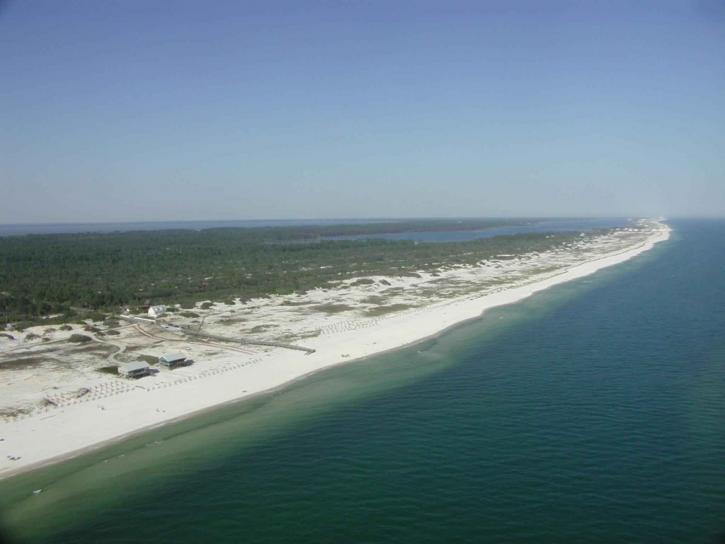
The white sands and salty waters of Padre Island National Seashore set the scene for a vacation paradise.

Padre Island National Seashore, dubbed the Longest Stretch of Undeveloped Barrier Island in the World, is sandwiched between the Gulf of Mexico and the Laguna Madre. Like the national seashore, Laguna Madre has its own claim to fame as one of a few hypersaline lagoons in the world.

Padre Island National Seashore stretches 70 miles long and hosts a variety of pristine coastline, dunes, prairies, and tidal flats. Over 380 species of birds call the island their home, and it’s also the nesting ground for the Kemp’s ridley sea turtle. Every summer, the park releases the hatchlings from the nests. The event is frequently open to the public.

Many outdoor and water sports enthusiasts are drawn to this location for its wide array of recreational activities, RVing included! Visitors can enjoy:

  • Windsurfing on Laguna Madre
  • Canoeing and Kayaking
  • Beachcombing
  • Beach Driving
  • Bicycling
  • Fishing
  • Swimming
  • Birdwatching
  • Camping

Five areas of the park are designated for camping. While RV hookups are not provided at any campsite, an RV dump station and a water filling station are conveniently available.

Guadalupe Mountains National Park

The striking El Capitan limestone cliff is the most iconic feature in Guadalupe Mountains National Park.

Guadalupe Mountains National Park is located just south of the New Mexico state line and north of U.S. Highway 62/180. The 86,416 acres of diverse landscapes consist of deserts and dunes, canyons and mountains, a variety of flora and fauna, and the world’s most extensive Permian fossil reef. The park is home to the highest point in Texas, the Guadalupe Peak, standing at 8,751 feet above sea level. Still, the park’s most iconic feature is El Capitan, a mammoth limestone monolith that dominates the skyline.

RVers, hikers, and thrill-seekers venture from near and far to enjoy the natural wonders and beauty at Guadalupe Mountains National Park throughout the year. However, the best weather is in the spring and fall. Activities in the park include:

  • Hiking (80 miles of trails)
  • Backpacking
  • Horseback Riding
  • Wildlife Viewing
  • Stargazing
  • Fall Color Viewing (begins mid-October and continues through mid-November)
  • RVing/Camping (three developed campgrounds in the park)

Natural Bridge Caverns

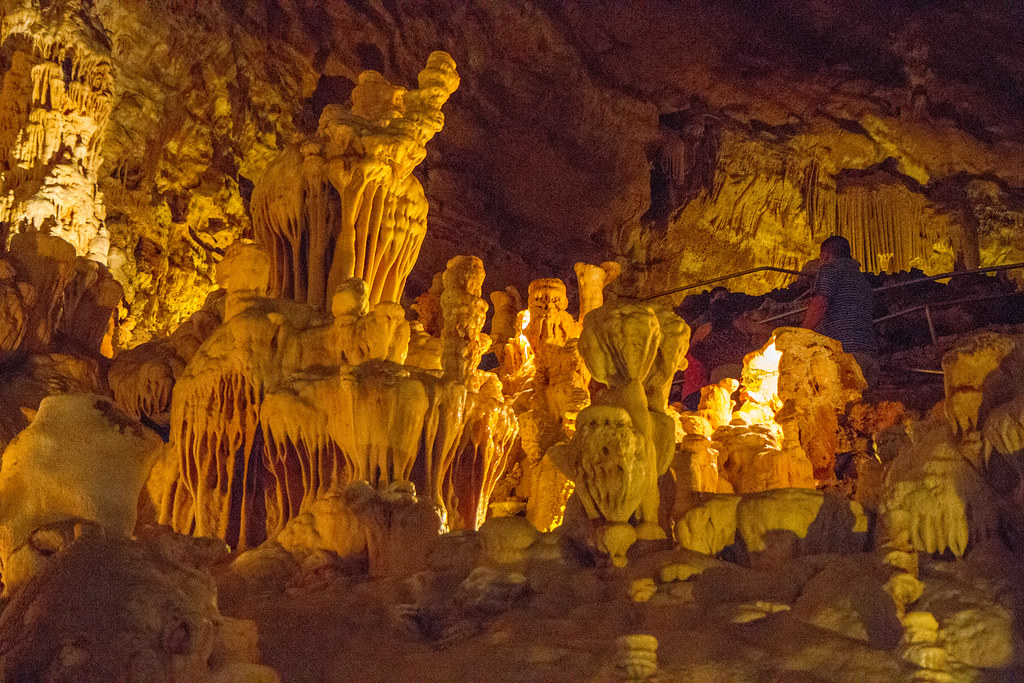
Families will enjoy underground and above-the-surface adventures at Natural Bridge Caverns.

Family-owned and operated Natural Bridge Caverns in San Antonio is a natural underground wonder with added fun attractions. Uncovered by college students in 1960, the cavern can be viewed by the public via guided tours. Underground chambers feature “otherworldly formations. Each formed by single drops of water and the slow passage of time,” according to the attraction’s website.

Above the surface, ticket holders can brave a 60-foot high aerial adventure ropes course, find their way out of a 5,000 square foot outdoor maze, go gem and fossil mining, and much more. A number of RV parks are located within minutes of Natural Bridge Caverns, making it an easy commute to all the excitement and thrills.

Don’t Leave Home Without Us

Do you have roadside assistance? Since 1987, Coach-Net has been a trusted company, offering emergency roadside services tailored to the specialized needs of RVers. Whether you own a towable RV or a motorized one, Coach-Net can get you started on a premier plan that includes:

  • 24/7, All-Inclusive Roadside Assistance,
  • Concierge Services,
  • Global Emergency Travel Services,
  • Tire Discounts,
  • Camping Discounts,
  • And much more.

Don’t let unexpected breakdowns and unforeseen costly repairs ruin your travel plans. Instead, give Coach-Net a call to see how they can help you travel worry-free, or join now and see what traveling with peace of mind really feels like.


About The Author: Natalie Henley

Levi Henley and his wife, Natalie, have been full-time RVers for over 5 years. They have also been Coach-Net customers for the same amount of time.  They travel and work camp around the U.S. in their 26-foot Itasca Sunstar motorhome with their two cats.  They write for multiple RV-related publications and recently co-wrote “Seasonal Workamping for a Living: How We Did It.” You can follow their adventures on the road at henleyshappytrails.com 

RV Protect

Thomas Z. ~ “Unbelievable service from the time we called in till he showed up 40 minutes. Super.  Follow-up calls. Excellent experience! Kudos to Coach-Net! I will continue renewing as long as I am alive🔥🔥🔥”

Share this with your friends:

  • Share on Facebook (Opens in new window) Facebook
  • Share on X (Opens in new window) X
  • Share on Pinterest (Opens in new window) Pinterest
  • Print (Opens in new window) Print
  • Email a link to a friend (Opens in new window) Email
  • More
  • Share on Reddit (Opens in new window) Reddit
  • Share on Tumblr (Opens in new window) Tumblr

Like this:

Like Loading…
← Older posts
Newer posts →

Subscribe

To subscribe to our monthly enewsletter, visit the homepage www.Coach-Net.com

Coach-Net Members

Access your benefits and services by logging in to My Coach-Net

Categories

  • Favorite Recipes
  • Getting To Know You
  • Healthy Lifestyle
  • Holidays in your RV
  • Kids and Camping
  • National Parks
  • Roadside Assistance
  • RV Information
  • RV Newbie
  • RV Safety
  • Tailgating
  • Tech Tips
  • The Great Outdoors
  • Tips & Tricks
  • Travel Destinations
  • Traveling with your Pet
  • Uncategorized
  • We Love It. We Live It.

Archives

Follow Us

  • Facebook
  • X
  • Instagram
© Coach-Net. All Right Reserved. Unauthorized use and/or duplication of this material without express and written permission from this blog’s author and/or owner is strictly prohibited. Excerpts and links may be used, provided that full and clear credit is given to Coach-Net and with appropriate and specific direction to the original content.

Powered by WordPress.com.

Loading Comments...

    %d